

IV infusion therapy in Tamarac is easy to find and hard to compare. Menus list vitamins by name, promises are loud, and almost nobody explains what actually happens in the chair. If you are thinking about booking one, it helps to know what is in the bag, who it suits and what it cannot do.
This guide covers what an infusion is, who it is meant for, the safety questions worth asking, and how a visit works at our center on N University Drive. We are a medical practice, so every infusion starts with a health review. If you already know you want to talk to someone, call (954) 417-4499.
- An IV infusion delivers fluids, vitamins and minerals directly into a vein, so the body does not have to absorb them through digestion.
- It is a wellness option, not a treatment for a disease. Dehydration is the clearest use for fluids.
- Most sessions take 30 to 60 minutes, according to our service page, and many people resume normal activities afterward.
- A health and medication review comes first. People with heart or kidney conditions may need a different plan.
- Our medical team administers every infusion at 6510 N University Dr in Tamarac. Call (954) 417-4499 to ask about your case.
What is IV infusion therapy?
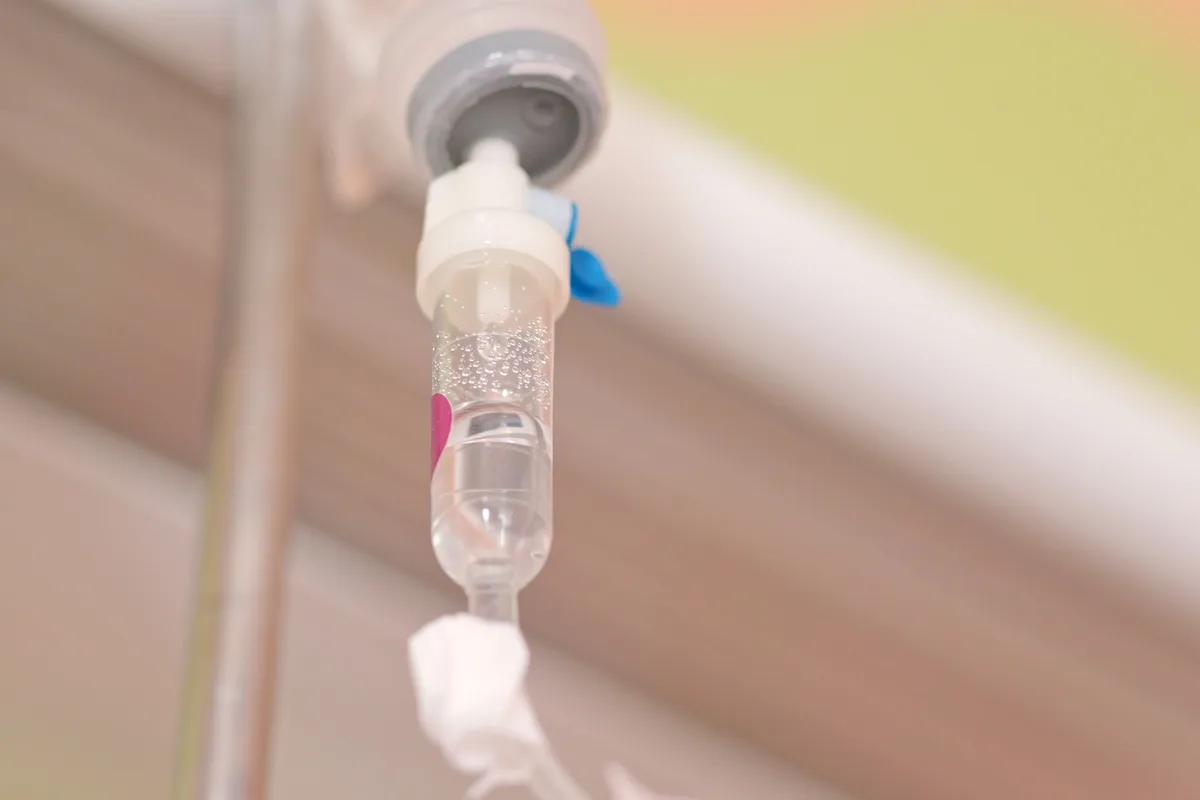
IV infusion therapy gives fluids, vitamins and minerals through a small tube placed in a vein, usually in the arm. Because the contents go straight into the bloodstream, they do not pass through the digestive system. A wellness infusion is built around hydration and a short list of nutrients, chosen after a health review.
It is a different thing from the IV a hospital uses for medication or emergency care. Wellness infusions are optional and are meant to support hydration and general well-being, not to treat a condition. We explain more of the debate in our earlier post, IV therapy: does it really work?
Who is IV infusion therapy meant for?
It is meant for adults who want hydration or nutrient support and who have been cleared by a clinician. People ask about it for low energy, for dehydration in the Florida heat, to support recovery alongside other care, or because they want help with fluids and cannot keep up on their own.
- Low energy or general fatigue, once other causes have been considered.
- Dehydration, especially after time outdoors in the heat.
- Questions about immune-support claims, for which the evidence is limited.
- Recovery support alongside the rest of your care.
If you feel unusually tired or thirsty all the time, mention it to your doctor first. Persistent fatigue can have medical causes that an infusion will not fix. Our primary care team can look into it.

What can IV infusion therapy not do?
An infusion cannot cure a disease, replace medication or fix a chronic condition. Fluids help with dehydration. Evidence for most other claims, such as boosting immunity or erasing fatigue, is limited, and benefits vary from one person to the next.
The National Institutes of Health keeps plain-language fact sheets on individual nutrients, which are a good place to check any claim you read. Start with the vitamin C fact sheet and the vitamin B12 fact sheet. Many people get enough of these nutrients through food. A clinician can tell whether your symptoms, diet or testing suggest a deficiency.
What goes into an IV infusion?
Most infusions combine IV fluid with a few vitamins and minerals. Our service page lists blends built from ingredients such as B-complex, vitamin B12, vitamin C, vitamin D3, magnesium, zinc, glutathione and NAD+. Your clinician picks one after reviewing your history.
- IV fluid as the base, for hydration.
- B vitamins and vitamin C in several of the blends.
- Minerals such as magnesium and zinc in some of them.
- Glutathione or NAD+ in specific blends, which you can ask about.
Ask what is in your infusion and why. The full menu, including each blend, is on our IV infusion therapy page. Insurance rules vary by plan and by infusion, so ask about coverage when you call.
How is safety handled?
Safety starts with who is in charge. At our center the medical team reviews your history and medications first, administers the infusion and stays through the session. Risks with any IV include bruising, vein irritation, infection, fluid overload, electrolyte changes and allergic reactions. How likely they are depends on the fluid, the ingredients and your health.
- Tell the team about any heart or kidney condition. Extra fluid can be a problem for some people.
- List every medication and supplement, including blood thinners.
- Mention allergies, including any past reaction to an IV or a vitamin product.
- Speak up during the session if you feel dizzy, cold, itchy or short of breath.
Our guide on medication management for seniors explains why a complete medication list matters before adding anything new.
What does an IV infusion visit look like?
A visit starts with a short health review, followed by the infusion in a comfortable chair. Our service page says most sessions take 30 to 60 minutes, and many people return to their normal routine afterward. Tell the team if you feel unwell.
Call (954) 417-4499 and our bilingual team will explain the options and schedule your visit at our Tamarac center.
Why does Florida heat make people ask about IV therapy?
In South Florida, heat and humidity make dehydration easy to miss. Older adults often feel thirst less strongly, so they can fall behind on fluids without noticing. MedlinePlus explains the signs and causes of dehydration.
Drinking water throughout the day remains the first line of defense. An infusion is not a replacement for that habit. For tips on staying safe outdoors, read our post on summer heat safety for seniors in Broward County. Spanish readers can find the topic in sueroterapia en Tamarac.
Frequently Asked Questions
What is IV infusion therapy?
IV infusion therapy gives fluids, vitamins and minerals through a small tube in a vein so they enter the bloodstream directly. Wellness infusions support hydration and general well-being. They are optional and are chosen after a health review by a clinician.
How long does an IV infusion session take?
Most sessions at our center take 30 to 60 minutes. You sit in a comfortable chair while the infusion runs. Many people go back to their normal routine afterward.
Is IV infusion therapy safe?
Screening and medical supervision can reduce some risks, but every IV and every added ingredient can cause side effects. Risks include bruising, vein irritation, infection, fluid overload, electrolyte changes and allergic reactions. People with heart or kidney conditions should tell the team before booking.
What is in an IV infusion?
Most blends combine IV fluid with ingredients such as B-complex, vitamin B12, vitamin C, vitamin D3, magnesium, zinc, glutathione or NAD+. The right blend depends on your health review, so ask the team what you would receive and why.
Does insurance cover IV infusion therapy?
It depends on the plan and on the infusion. Call (954) 417-4499 and the team will explain what applies to your situation before you book.
Where can I get IV infusion therapy in Tamarac?
Metropolitan Medical Centers offers IV infusion therapy at 6510 N University Dr in Tamarac, open Monday to Friday from 7:30 AM to 5 PM. Our bilingual team can schedule your visit and answer your questions.