August 13, 2024
Senior Healthcare
August 13, 2024

As we age, maintaining a balanced and nutritious diet becomes increasingly important for overall health and well-being. Seniors have unique nutritional needs, and adopting the right dietary habits can help improve energy levels, manage chronic conditions, and promote longevity. Here are some essential nutrition tips for seniors to help them stay healthy and vibrant:
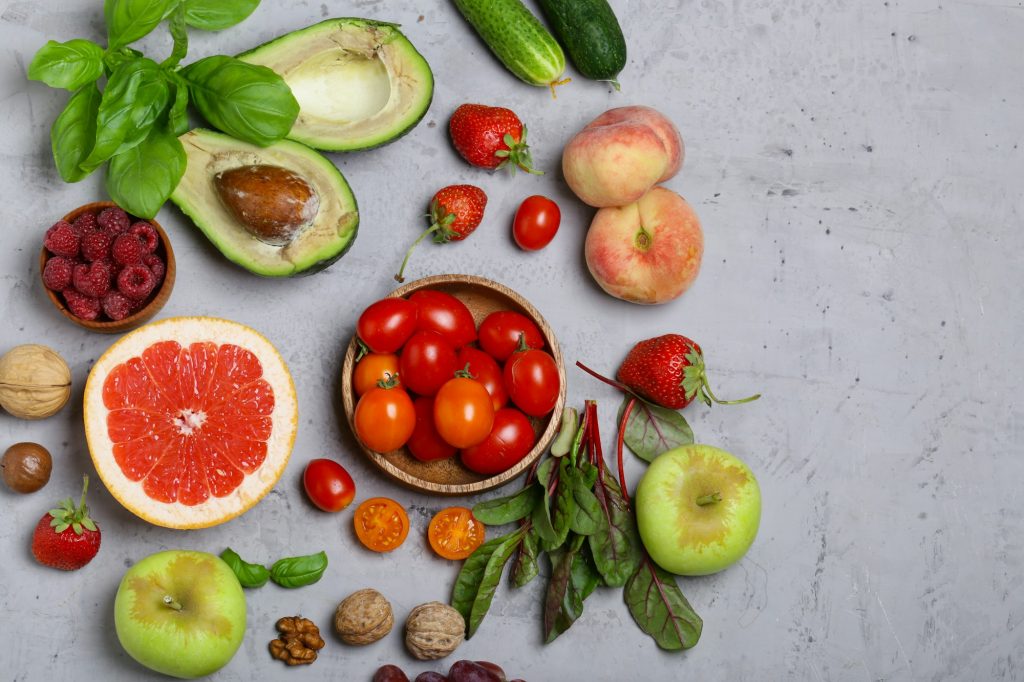
Aim to fill half of your plate with a variety of colorful fruits and vegetables. These are rich in vitamins, minerals, and antioxidants that support immune function and reduce the risk of chronic diseases.
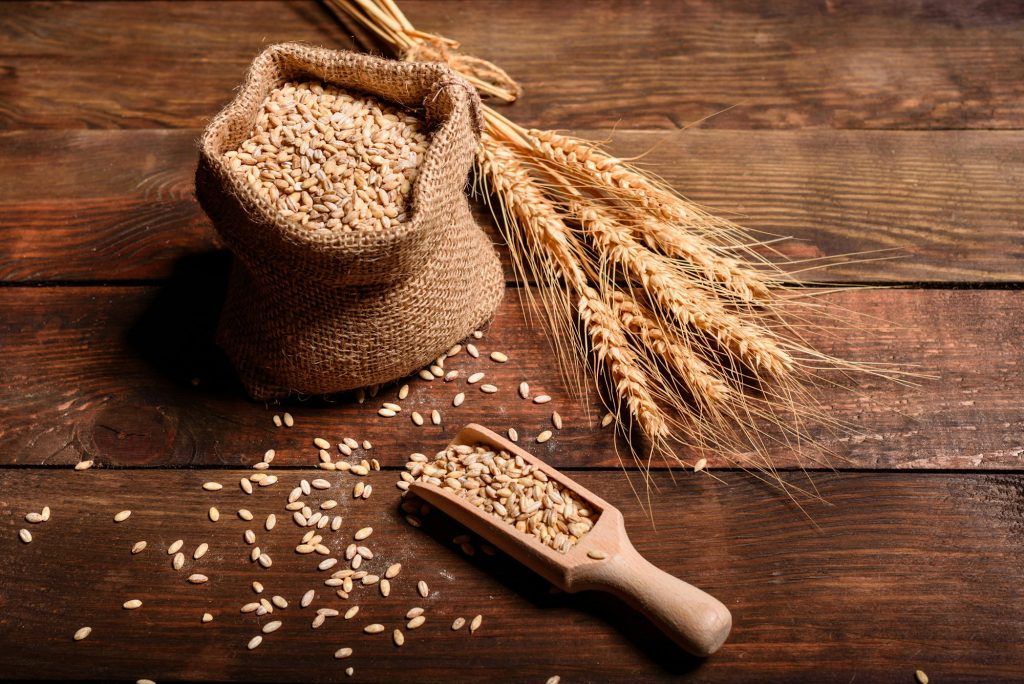
Choose whole grains like brown rice, oatmeal, and whole wheat bread over refined grains. Whole grains provide fiber, which aids digestion and helps maintain healthy blood sugar levels.
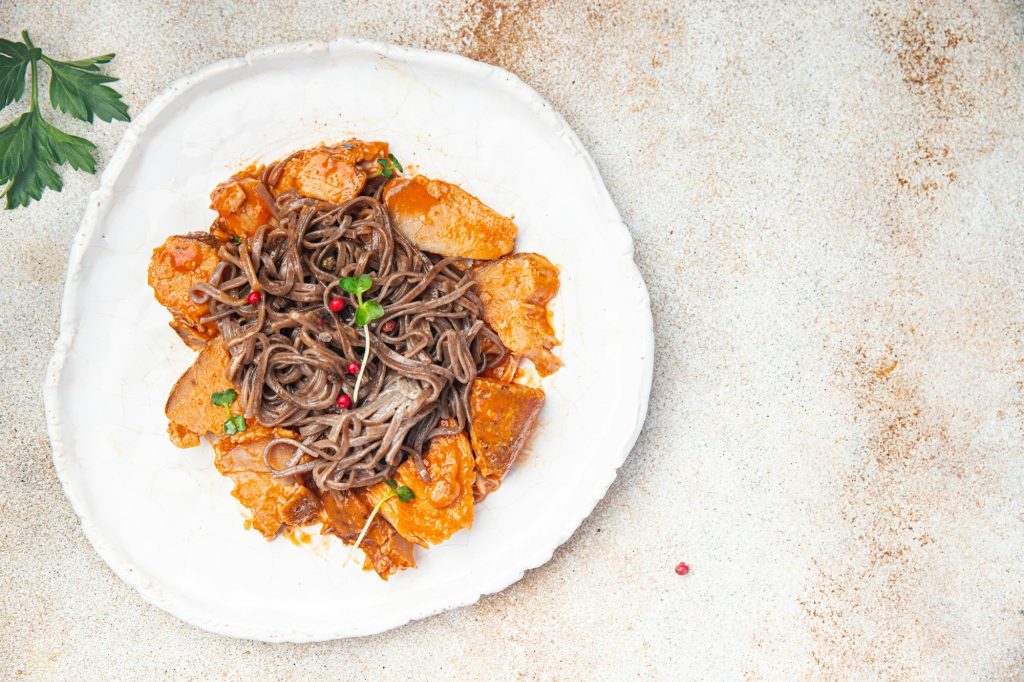
Include lean proteins such as chicken, turkey, fish, beans, and legumes in your diet. Protein is essential for muscle maintenance and repair, especially as muscle mass naturally decreases with age.
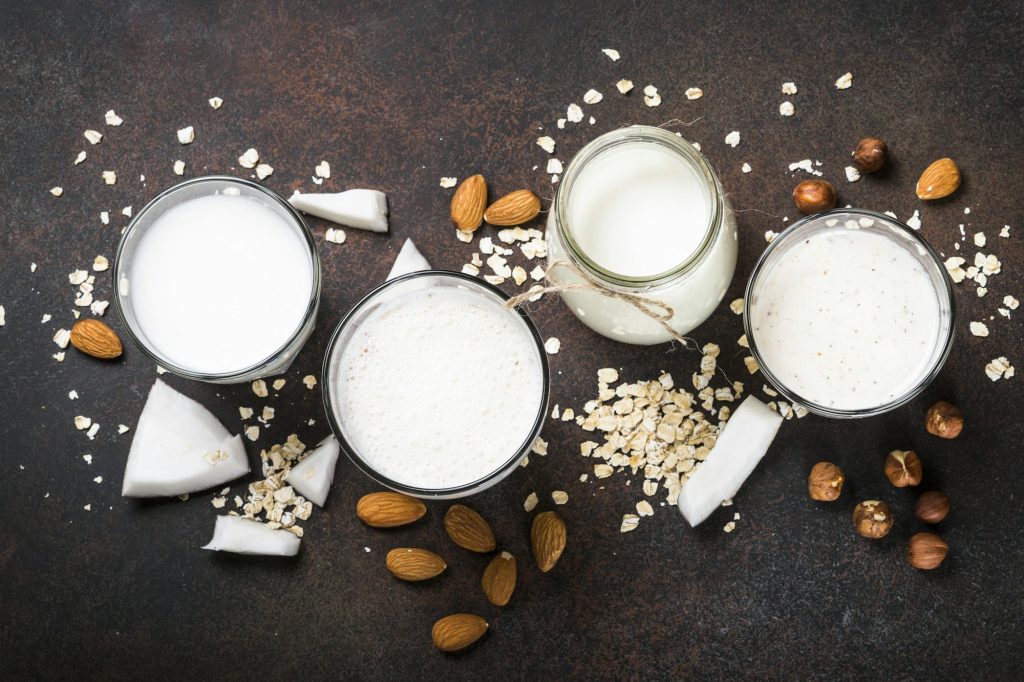
Calcium and vitamin D are crucial for bone health. Incorporate low-fat dairy products like milk, yogurt, or fortified dairy alternatives to ensure adequate intake.
Seniors are more prone to dehydration due to a decreased sense of thirst. Aim to drink at least 8 glasses of water daily, and consider hydrating foods like soups, fruits, and vegetables to supplement fluid intake.
With age, metabolism slows down, and calorie needs may decrease. Pay attention to portion sizes to avoid overeating and ensure you’re getting the right balance of nutrients without consuming excess calories.
High sodium intake can lead to hypertension, while excess sugar can contribute to weight gain and increase the risk of diabetes. Opt for fresh or frozen foods over processed ones, and use herbs and spices for flavor instead of salt. For a sweet treat, choose fruits instead of sugary snacks.
While it’s best to get nutrients from food, certain vitamins and minerals like vitamin D, B12, and calcium may require supplementation as the body’s ability to absorb these nutrients decreases with age. Consult with your healthcare provider before starting any supplements.
Skipping meals can lead to nutrient deficiencies and energy crashes. Try to eat three balanced meals a day, with snacks if needed, to keep your energy levels steady and ensure you’re meeting your nutritional needs.
Seniors are more vulnerable to foodborne illnesses. Be mindful of food safety practices, such as storing food at the correct temperature, avoiding undercooked meats, and paying attention to expiration dates.
Maintaining proper nutrition is key to healthy aging. By focusing on nutrient-dense foods, staying hydrated, watching portion sizes, and making informed choices about supplements, seniors can enhance their overall health and quality of life. If you have specific dietary needs or health concerns, consider consulting with a healthcare professional or a registered dietitian to create a personalized nutrition plan.
Reach out to Metropolitan Medical Centers for all your healthcare needs. Our dedicated team is ready to answer your questions, schedule appointments, and provide exceptional medical services. Your health and well-being are our top priorities. Contact us today!