For seniors across Broward County, a hurricane is not just a weather event — it is a medical event. When the power goes out and the pharmacies close, the biggest danger for many older adults is not the wind. It is running out of a critical prescription, losing power to an oxygen concentrator, or missing a dose that keeps a heart rhythm or blood sugar stable. Effective hurricane preparedness for seniors on medications in Broward County starts weeks before a storm is ever named.
Atlantic hurricane season runs June 1 through November 30, and South Florida sits in the most active landfall zone in the United States. This guide from the care team at Metropolitan Medical Centers in Tamarac, FL walks through exactly how to protect a senior's medications, oxygen, and powered medical equipment — including Florida's emergency early-refill rule, special needs shelter registration, and how your primary care team and on-site pharmacy can help you get storm-ready in a single visit.
Why Hurricane Season Hits Broward Seniors on Medications Hardest
Most healthy adults can ride out a few days without power. For a senior managing several chronic conditions, those same few days can become a medical emergency. The combination that makes Broward County seniors especially vulnerable:
- Power-dependent equipment. Oxygen concentrators, CPAP and BiPAP machines, nebulizers, power wheelchairs, and some refrigerated medications (such as certain insulins) all stop working or spoil when the electricity fails.
- Time-sensitive medications. Blood thinners, blood pressure and heart-rhythm drugs, insulin, seizure medication, and Parkinson's medication can cause serious harm if doses are missed for even a day or two.
- Closed pharmacies and blocked roads. After a major storm, pharmacies may be shut for days, deliveries stop, and flooding or debris can make it impossible to reach a clinic.
- Heat and dehydration. No air conditioning after a storm raises the risk of heat illness, which is especially dangerous for seniors on diuretics or blood pressure medication.
The good news: nearly every one of these risks can be managed with planning that takes an afternoon. The seniors who get into trouble are almost always the ones who waited until a storm was already in the Gulf. Start now, before the next watch is issued.
⚠ If a senior misses doses of a critical medication during a storm — or shows confusion, chest pain, trouble breathing, or signs of a stroke — call 911 immediately. Do not wait for roads to clear. Tell the dispatcher about any oxygen needs or powered medical equipment.
9 Must-Do Hurricane Prep Steps for Seniors on Medications
-
Build a two-week supply of every medication Do not settle for a few extra days. Aim for at least 14 days of every prescription, plus your over-the-counter essentials. Ask your provider at MMC to help you get ahead before the season peaks.
-
Use Florida's emergency early-refill rule Once the Governor declares a state of emergency, Florida law lets most insured and Medicaid patients refill prescriptions early. Call your pharmacy or MMC the moment a storm enters a watch.
-
Keep a current, printed medication list Phones die and apps go offline. Carry a paper list with every drug, dose, and the reason you take it, plus allergies and your diagnoses. We can print an up-to-date copy at any visit.
-
Protect refrigerated medications For insulin and other refrigerated drugs, prepare a cooler with ice packs and know how long each medication is safe at room temperature. Ask our pharmacy team for the specifics on your prescriptions.
-
Back up oxygen, CPAP, and powered equipment Call your equipment supplier now about extra tanks and charged batteries, and never run a generator indoors or in a garage. Carbon monoxide kills silently after every major storm.
-
Register with FPL's Medically Essential Program Florida Power and Light flags homes that rely on electricity for medical equipment for priority restoration. Enroll before the season, not during a storm.
-
Pre-register for a Broward special needs shelter If you depend on power for medical equipment or need extra medical support, register with Broward County's special needs program — and remember it must be renewed every year.
-
Plan your transportation in advance Decide now how you will get to a shelter, a family member's home, or a clinic if you cannot drive. Arrange a ride before the storm rather than scrambling during it.
-
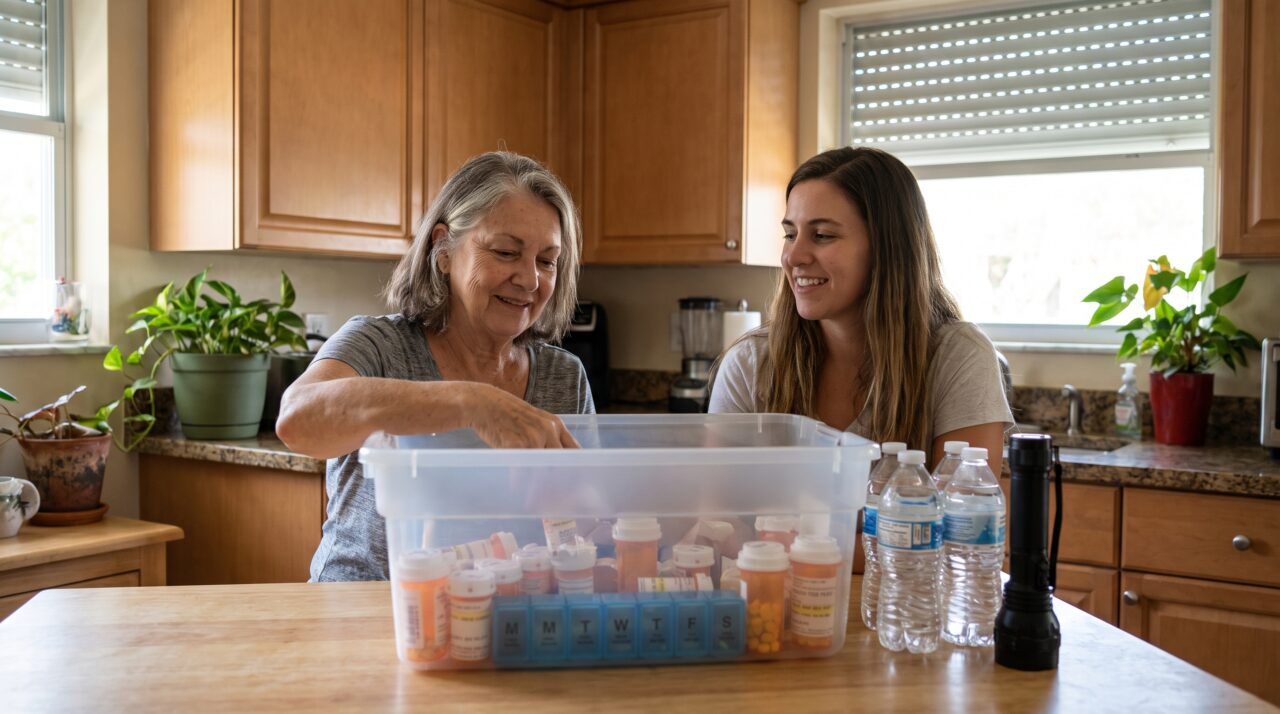
Assemble a waterproof medical go-bag One sealed bag with two weeks of medication, your printed lists, insurance and Medicare cards, a backup pair of glasses, and basic supplies. Keep it where anyone helping you can find it fast.
Build a Two-Week Medication Supply (and Florida's Early-Refill Rule)
The single most important step is having enough medication to last well beyond the storm. Power restoration and pharmacy reopening can take a week or more after a major hurricane in Broward County, so a few spare pills are not enough. Aim for a two-week minimum supply of every prescription.
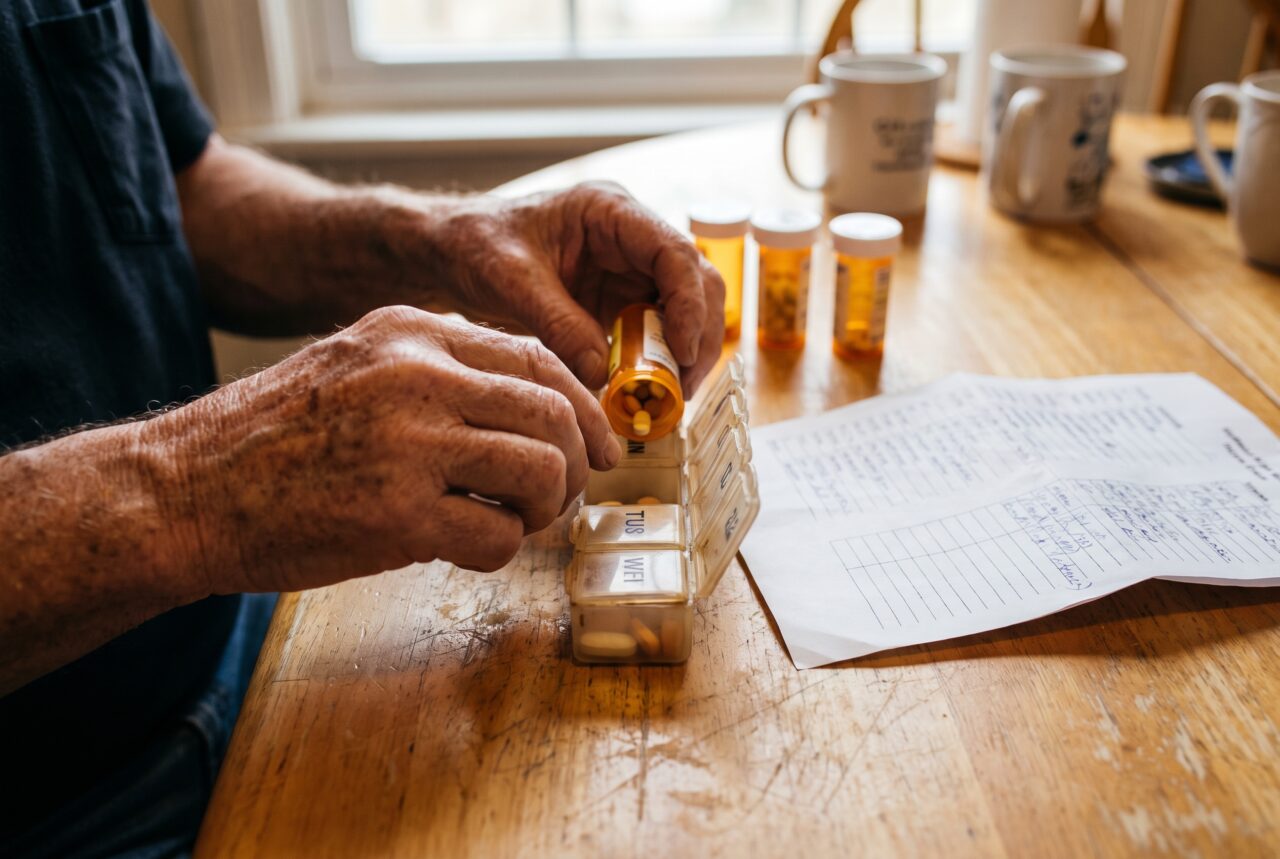
Many seniors worry they cannot refill early because it is “too soon.” That is where Florida's emergency rule helps:
- When a state of emergency is declared for an approaching storm, Florida law generally requires insurers and Medicaid to allow an early refill of up to a 30-day supply for residents in the affected counties — even if you filled the prescription recently.
- Act the moment a watch is issued. Do not wait for the warning. Pharmacies get slammed in the 48 hours before landfall, and supplies run short.
- Ask about a 90-day supply year-round. Outside of emergencies, many Medicare Advantage plans cover a 90-day fill, which keeps you a step ahead all season.
💡 Tip: Bring every prescription, supplement, and over-the-counter bottle to your next visit. Our medication management team can review your list, flag anything that needs refrigeration or special storage, and make sure you have enough on hand for the season.
Back Up Oxygen, CPAP, and Powered Medical Equipment
For seniors who depend on electricity to breathe, sleep, or move, a power outage is the most serious threat a storm brings. Prepare your equipment before the season, not while the wind is rising.
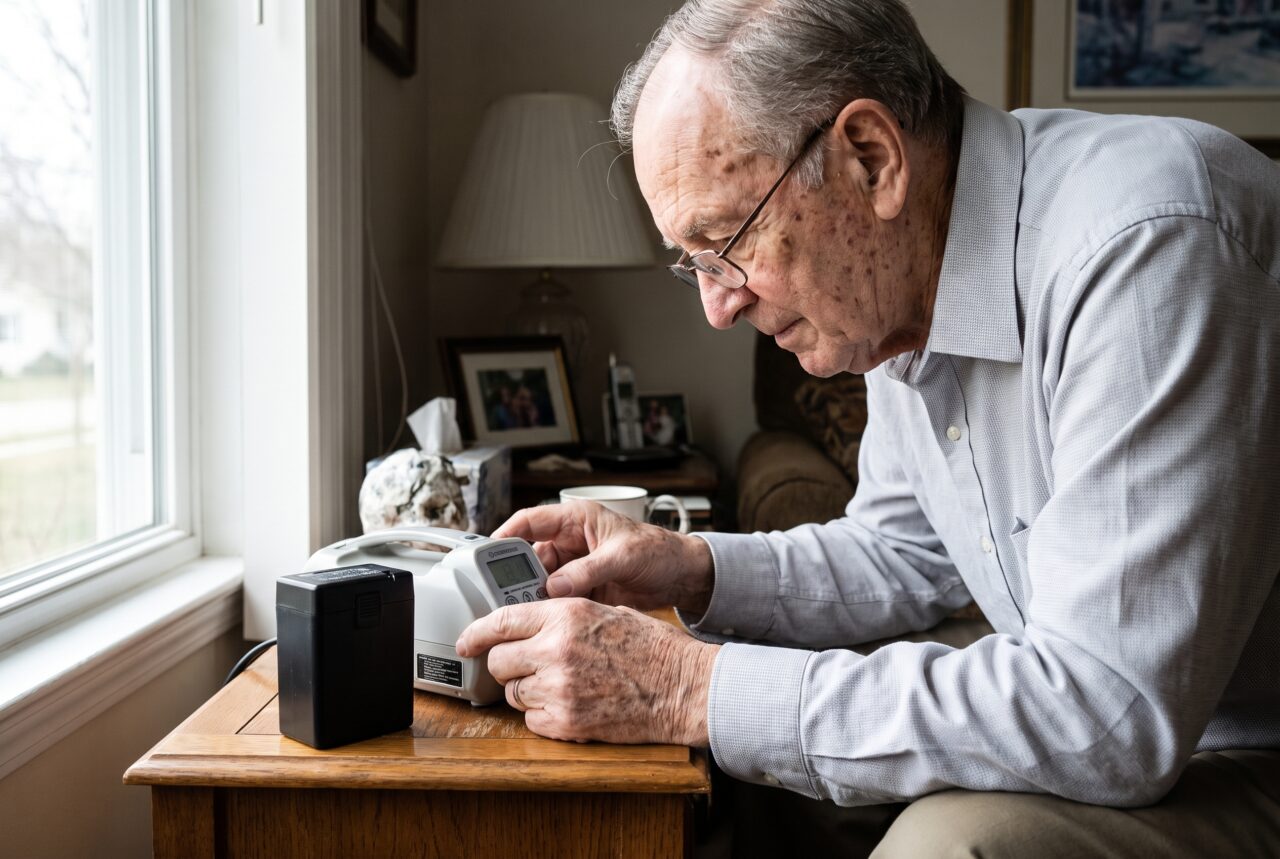
- Oxygen: Ask your supplier about backup tanks and a portable concentrator with a charged battery. Know how to switch to tanks if your concentrator loses power.
- CPAP / BiPAP: A battery pack or a marine deep-cycle battery with an adapter can run most machines for a night or two. Confirm the right setup with your supplier now.
- FPL Medically Essential Program: Enrolling flags your home for priority power restoration. It does not guarantee uninterrupted power, so always have a manual backup plan.
- Generators: Run them outdoors only, far from windows and doors. Carbon monoxide poisoning is a leading cause of post-storm deaths in Florida every year.
Register for Broward's Special Needs Shelter & Transportation
If you rely on electricity for medical equipment, need help with daily activities, or simply cannot safely shelter at home, Broward County offers a special needs shelter with power and medical support. The key is to register before a storm:
- Pre-register every year. Broward County's special needs / Vulnerable Population Registry must be renewed annually — last year's registration does not carry over. Sign up at the start of hurricane season through Broward County Emergency Management or by calling 311.
- Plan transportation now. Decide how you will reach a shelter or a loved one's home if you cannot drive, and arrange the ride in advance. Roads close fast once a warning is issued.
- Bring your medical go-bag. Shelters expect you to bring your own medications, equipment, supplies, and documents for at least several days.
💡 Tip: Our social services team can help Tamarac and Broward County patients understand special needs shelter eligibility and registration so nothing is left to the last minute.
How Metropolitan Medical Centers Keeps Tamarac Seniors Storm-Ready
At Metropolitan Medical Centers in Tamarac, hurricane readiness is part of caring for our patients. Because primary care, pharmacy, and social services are all under one roof, we can build your storm plan in a single visit instead of sending you across three different offices.
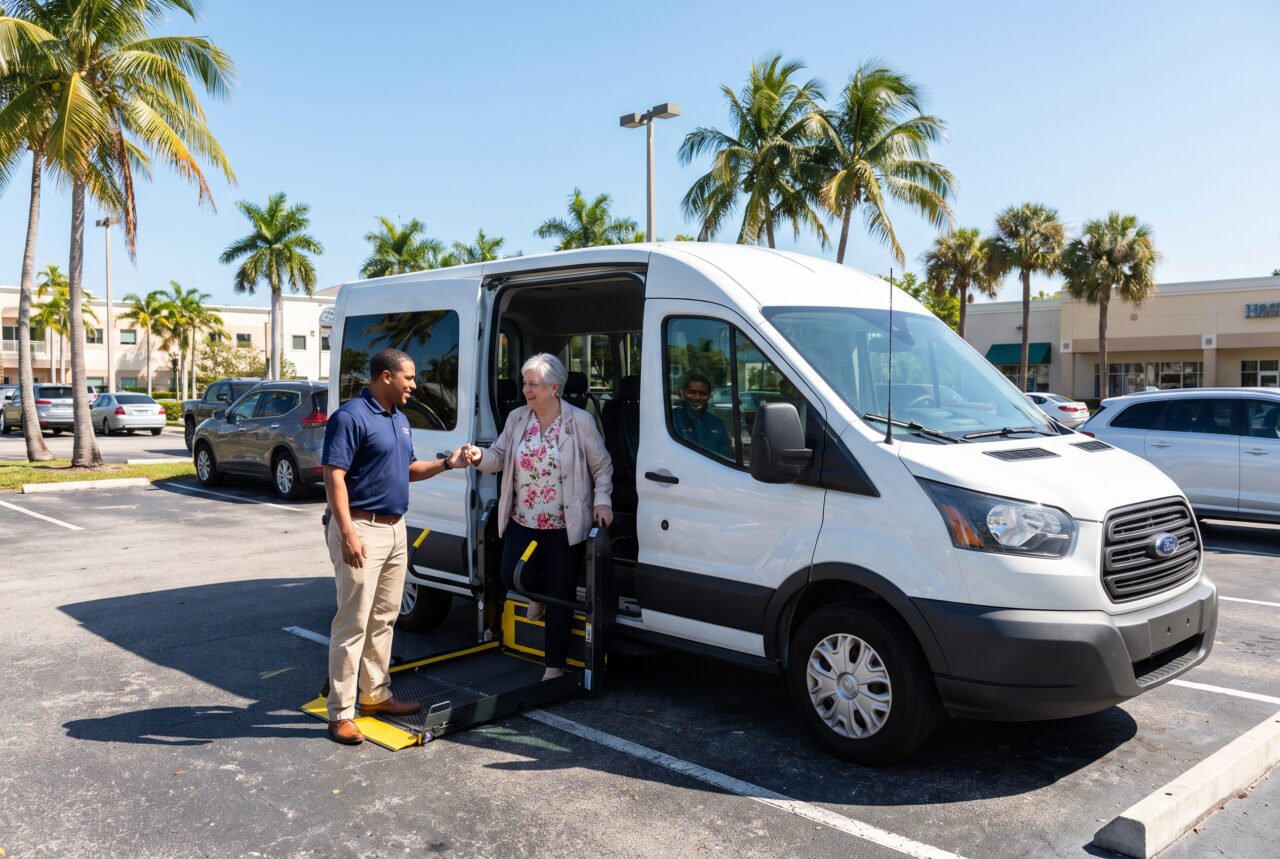
Before the next storm, our team can help you with:
- Early and emergency prescription refills so you have a two-week-plus supply on hand
- A complete medication review — we check every prescription, supplement, and OTC drug, and flag anything needing refrigeration
- A printed, current medication and condition summary for your hurricane go-bag
- Guidance on oxygen, CPAP, and equipment backup, plus FPL Medically Essential enrollment
- Help understanding Broward County special needs shelter registration through our social services team
- Bilingual staff — English and Spanish — so every instruction is clear
- Complimentary door-to-door transportation so getting to your pre-storm visit is never the obstacle
- Accepts Medicare Advantage: Humana, UnitedHealthcare, Aetna/CVS, CarePlus, Cigna, Oscar
💤 One visit, one plan: Don't wait for a named storm in the forecast. The best time to get hurricane-ready is at the start of the season, when pharmacies are calm and your provider has time to plan with you.